Transformation Cases — Before Spec Risk, After Documented Performance
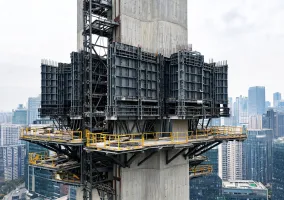
High-rise core cycle recovery
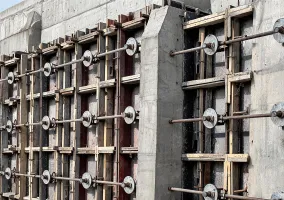
A 48-story tower replaced worn conventional gangs after three floors of alignment drift. MEVA climbing formwork with integrated alignment cut survey rework and restored a two-day floor cycle while keeping temporary edge protection within EN 13374 protocols.
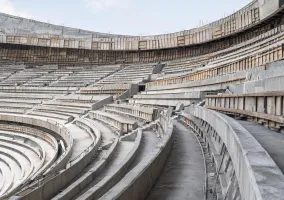
Stadium radius wall program
A multipurpose venue needed curved seating bowl walls without months of custom mold fabrication. Stock radius panels and adjustable struts delivered geometry within survey tolerance across 6,800 m² of forming face.
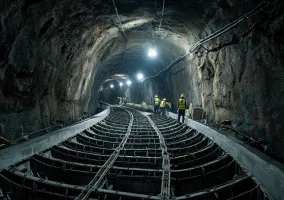
Metro invert reuse campaign
A tunnel contractor compared disposable timber forms against modular invert packages. Modular reuse won on lifecycle cost; crews still required coating inspection after abrasive muck exposure—documented as a maintenance precondition, not a system defect.
Across these programs, the recurring lesson is the same: publish the load assumption, inspect the face, and never treat catalogue cycle counts as unconditional warranties. Prefabricated modular gangs accelerate schedule versus traditional timber forming, yet hybrid inserts still belong on freeform geometry. When buyers ask for LEED or embodied carbon notes, we provide transport and reuse data—plus fire resistance rating notes for temporary platforms—rather than greenwashing timber versus steel debates. Budget pragmatism still matters: not every wall needs the heaviest load class when mid-range panels already meet dimensional stability and impact resistance targets.